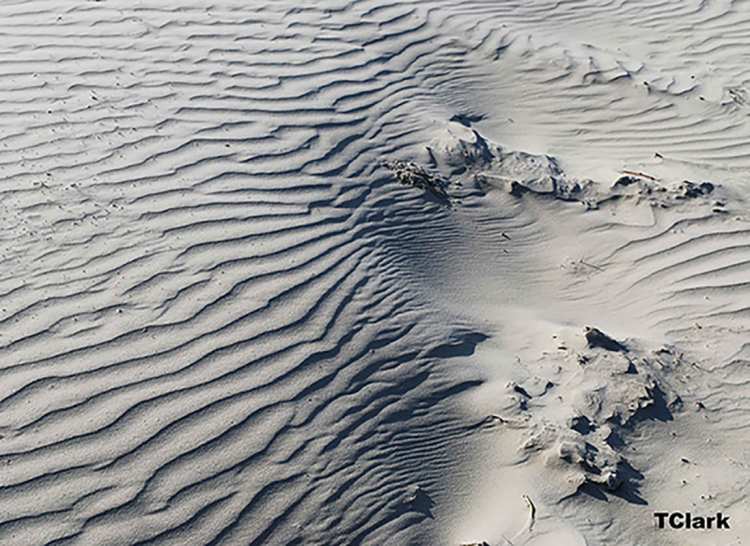
Tag: Leelanau Peninsula

  • 9. Mapping

    Leelanau, 1983 —

    My last summer working at what was then called the National Music Camp in Interlochen, Michigan was 1983. We spent as much time off as possible on the nearby shore of Lake Michigan. Three spots on the western edge of the Leelanau peninsula were favorite magical places. Otter Creek played out into a sandy delta at the beach, perfect for a picnic. Good Harbor Bay was an excellent shore for finding gray Petoskey stones, revealing fascinating hexagonal-shaped fossils when wet. Farther north, the Great Sleeping Bear Sand Dunes rise majestically hundreds of feet above the water’s edge.

    Béla Viktor János Bartók’s monumental 1937 work, Music for Strings, Percussion and Celeste, begins with a mysterious, meandering line played by subdued violas. It sounds to me like walking at the water’s curving edge on a fog-shrouded beach. The line becomes the subject of a gigantic fugue, building to a powerful climax. In my imagination, we reach the sheer cliff of a massive bluff at the end of a Lake Michigan bay.

    Music for Strings, Percussion and Celeste

    Chicago Symphony

    LISTEN > YouTube

    Shores

    Of course, Bartók never saw Lake Michigan. But shorelines are a fascinating kind of fractal patterns in nature.

    In 1980, Larry Austin received a commission from the Canadian Broadcasting System and KPFA for an experimental radiophonic work. For the premiere broadcast, the performers were in three different Canadian cities, synchronized by electronic signals! The mind-boggling result was a piece consisting of

    “a massively contrapuntal texture, with many instruments playing continuous, independent lines, all in different, independent tempos. The contours of each contrapuntal part were determined using maps of Canadian coastlines.”

    [Clark — Larry Austin: Life and Works of an Experimental composer. Borik Press, 2012, p. 40]

    I.C.M.C. 1981, Denton Texas

    LISTEN › YouTube

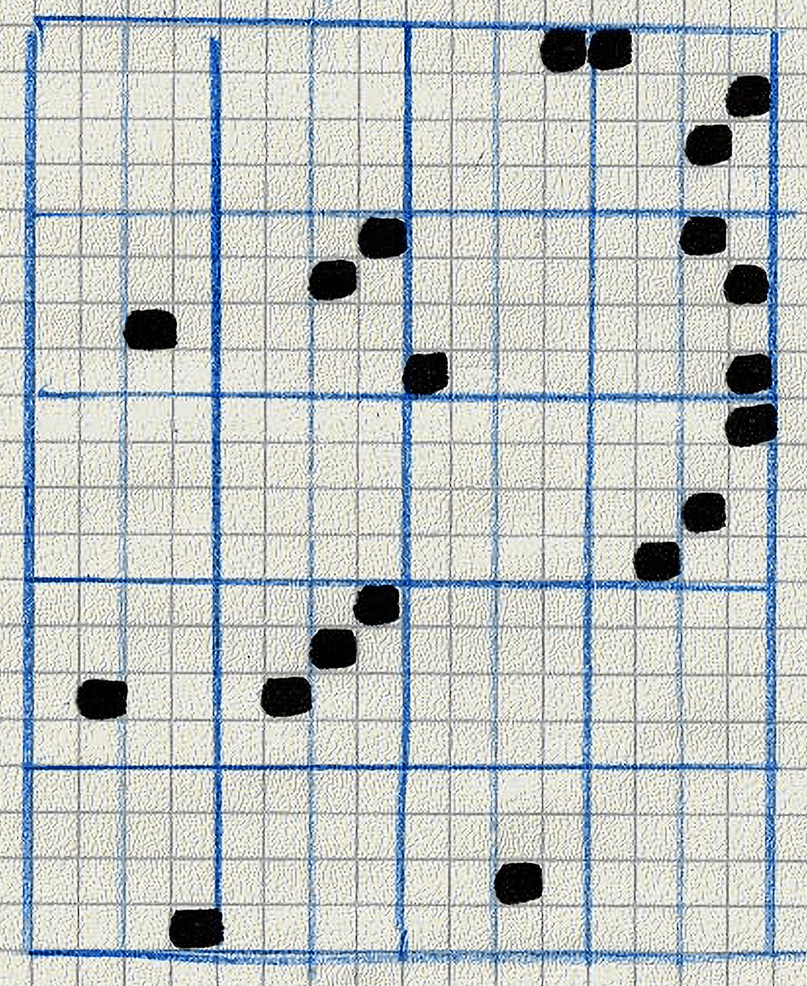
    Glacially-etched shorelines also inspired sonic imagery for a series of my pieces culminating in PENINSULA. Mappings of the natural contours of the Leelanau Peninsula provided richly varied patterns as basic coordinate numbers for sculpting sound patterns. The piano explores some of the endless possibilities for articulating a spectrum of sonorities. A surrounding environment of synthetic sounds was made by digitally analyzing timbral qualities of acoustic instruments, mostly with percussive articulations (metaphorically the rocky shore). The timbres were modified and resynthesized into a pointillistic sound texture. The density of the sound events rises and falls in waves according to changing values derived from the basic mappings. Larger confluences of waves are located in time by map points of special significance on the graph.

    The coexistence of piano sonorities and synthetic sounds is a metaphorical meeting of seascape and landscape, both animated in time.

    PENINSULA

    Clark 1984 (TC-50) Borik Press

    Clifton Matthews, piano, Winston-Salem NC, Feb. 2007

    There were many other groundbreaking pieces by my late friend and collaborator, Larry Austin. The first, Improvisations for Orchestra and Jazz Soloists, brought him to national prominence in 1964 with highly publicized broadcast performances by Bernstein and the New York Philharmonic.
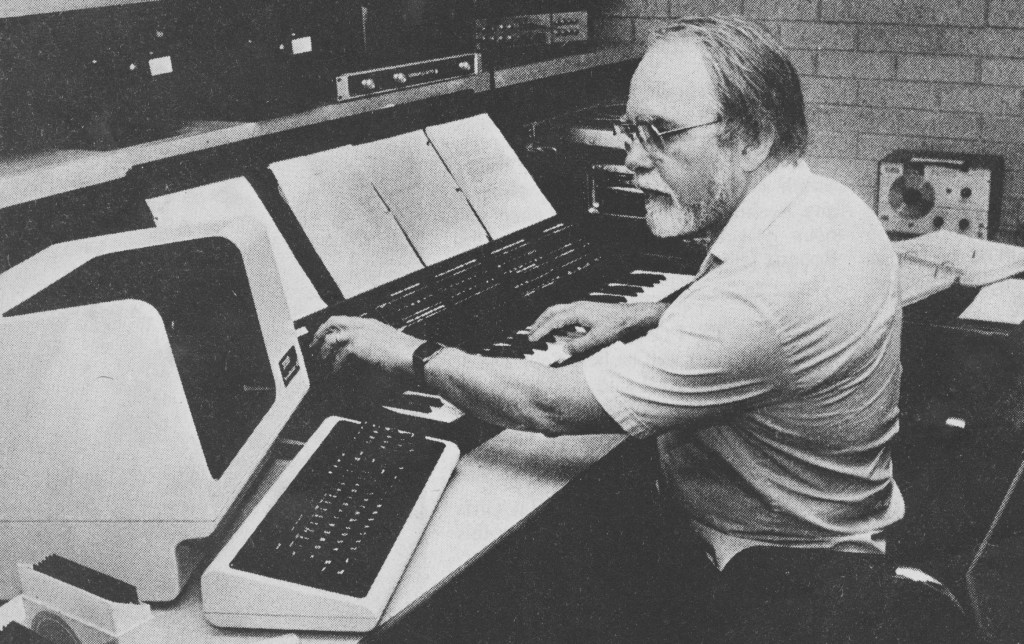
    As Austin moved into computer music, he began exploring compositional algorithms using mathematical models such as fractals.

    Some of Charles Ives’ sketches for his monumental, never completed Universe Symphony were tracings of the outlines of rock formations. Austin studied deeply this Ives work starting in 1974 and eventually completed a version of Universe Symphony for expanded orchestras in 1993. In Austin’s own work beginning in 1976, mapping contours of mountain ridges and star constellations yielded musical patterns for First Fantasy on Ives’ Universe Symphony, Maroon Bells, and *Stars.

    Constellations

    Always interested in astronomy, I tried plotting star constellations on two-dimensional matrix graphs. The coordinates of each star in a constellation could be interpreted as time-point and pitch information, resulting in a complex arpeggiated group of notes. More intriguing was the capability to rotate the map, resulting in many possible variants that stretch or compress the rhythm and chord structure.

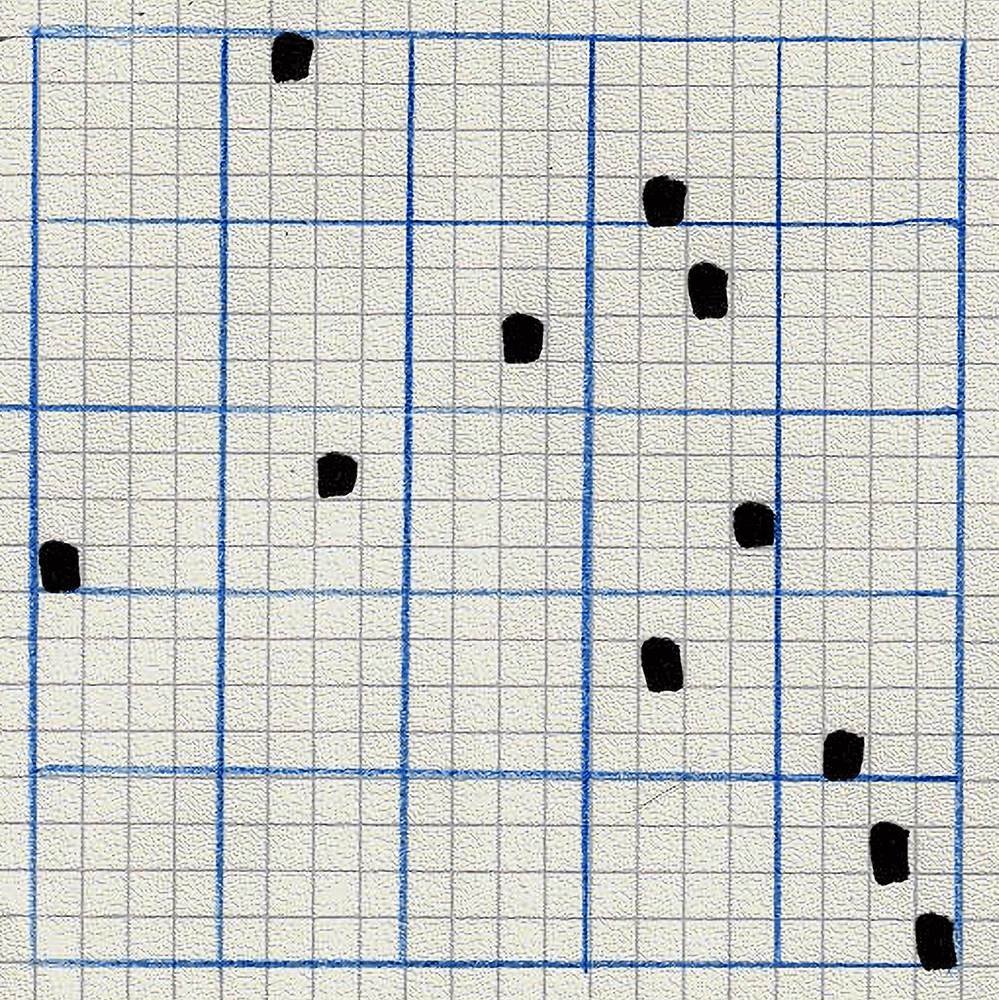
    Cygnus
    Cygnus rotated 90º
    Orion
    Orion rotated 90º

    The first compositional product of this design work, LIGHTFORMS 1 – Constellations (TC-65), scored for piano, was published by Borik Press in 1992. Naming these patterns, pitch-time chord arpeggios, as constellations became a breakthrough concept

    In my book, Mapping the Music Universe, I cite a remarkable pioneer of cartography. “William Smith, a rural surveyor, in 1799 drew a colorful map of the subterranean rock strata of his county in English coal country, launching the modern science of geology.”  The map was extraordinary not only as a scientific breakthrough, but also visually by his hand coloring each huge copy.

    As digital synthesizers came along, sound making with computers offered more calculated control of the timbral (tone color) spectrum. My astronomical metaphor continued with a 1993 piece, using the then state-of-the-art Synclavier II digital synthesizer to “color” the constellation patterns of LIGHTFORMS 1. Reflecting the varied colors of stars, I built color families of sound, distinguishing unique frequency-modulation ratios for each group.

    LIGHTFORMS 2: StarSpectra

    Clark 1993 (TC-68)

    In 1887, French astronomer Amédée Mouchez launched an ambitious international star-mapping project (Carte du Ciel) at the Paris Observatory. It was never finished, until now the challenge has been taken up by the new Vera C. Rubin Observatory (formerly the Large Synoptic Survey Telescope) in Chile. It is conducting the Legacy Survey of Space and Time, repeated astronomical surveys of the entire southern sky.

    From wandering forest paths to trekking scenic shorelines, my life has always been full of ambient exploration. Mapping has become my grand metaphor for exploring musical territory, culminating in the book, Mapping the Music Universe. It begins:

    “The heavenly motions are nothing
    but a continuous song for several voices,
    perceived not by the ear but by the intellect,
    a figured music that sets landmarks
    in the immeasurable flow of time.”

    — Galileo Galilei

    “When we gaze at stars and planets, they appear as stationary points of light, fixed in place in what seems a random pattern across the entire night sky visible to our hemisphere. Time stands still.

    “Throughout human time, humans have imagined that stars make picture patterns we name as constellations: fish, warriors, goddesses, animals. Only the persistent observers, such as astronomers, identify their nightly march across the sky, rising in the east and disappearing below the western horizon.”

    In Mapping the Music Universe, a studied journey through musical time, pitch, and structure, many composed examples took on characters of named constellations, galaxies, and galaxy clusters. They coalesced into 12 etudes, collected here as “a continuous song.”

    Clark 2021 (TC-114)
    Listen, imagining a 24-hour 360º rotation of our earthbound telescope, viewing the entire cosmos in 24 minutes.

    _____________

  • 3. Sketching Places

    Ann Arbor, 1969 —

    From the beginning of my study of trombone, I was an avid player. In high school, I took lessons with top U.Mich. trombone students in Ann Arbor. Playing in high school band and the Michigan Youth Symphony, I also started my own little brass group, the Streetcorner Brass, to play on the snowy sidewalks of downtown Howell at Christmas. Adding drums, we began to play my arrangements of Tijuana Brass tunes and rock ‘n roll at youth dances.

    Brass

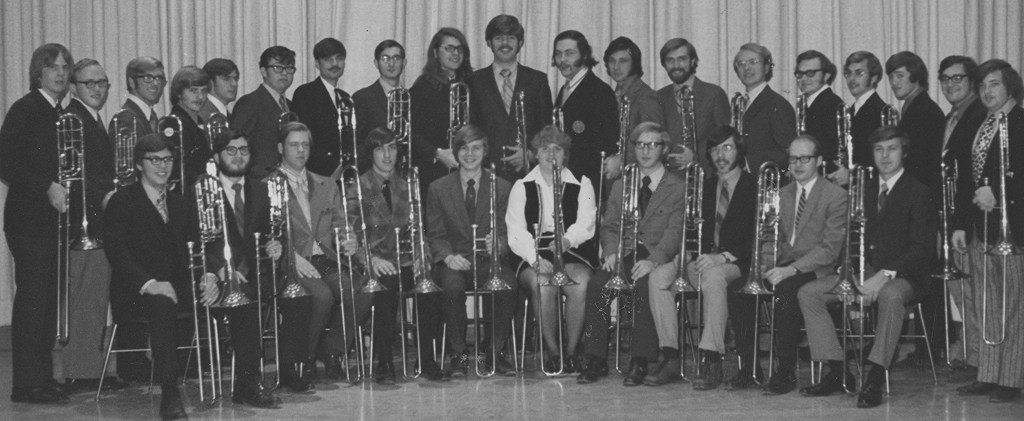
    At college in Ann Arbor, I played bass trombone in the University Philharmonia and Symphony orchestras, and the trombone choir.

    Goliard Brass

    I also joined the Plymouth Symphony and a part-time professional sextet, the Goliard Brass. We played for weddings, in churches, and Ann Arbor coffee shops. A sample of our repertoire:

    Giovanni Gabrieli – Canzona XIII

    Morley Calvert – Suite from the Monteregian Hills

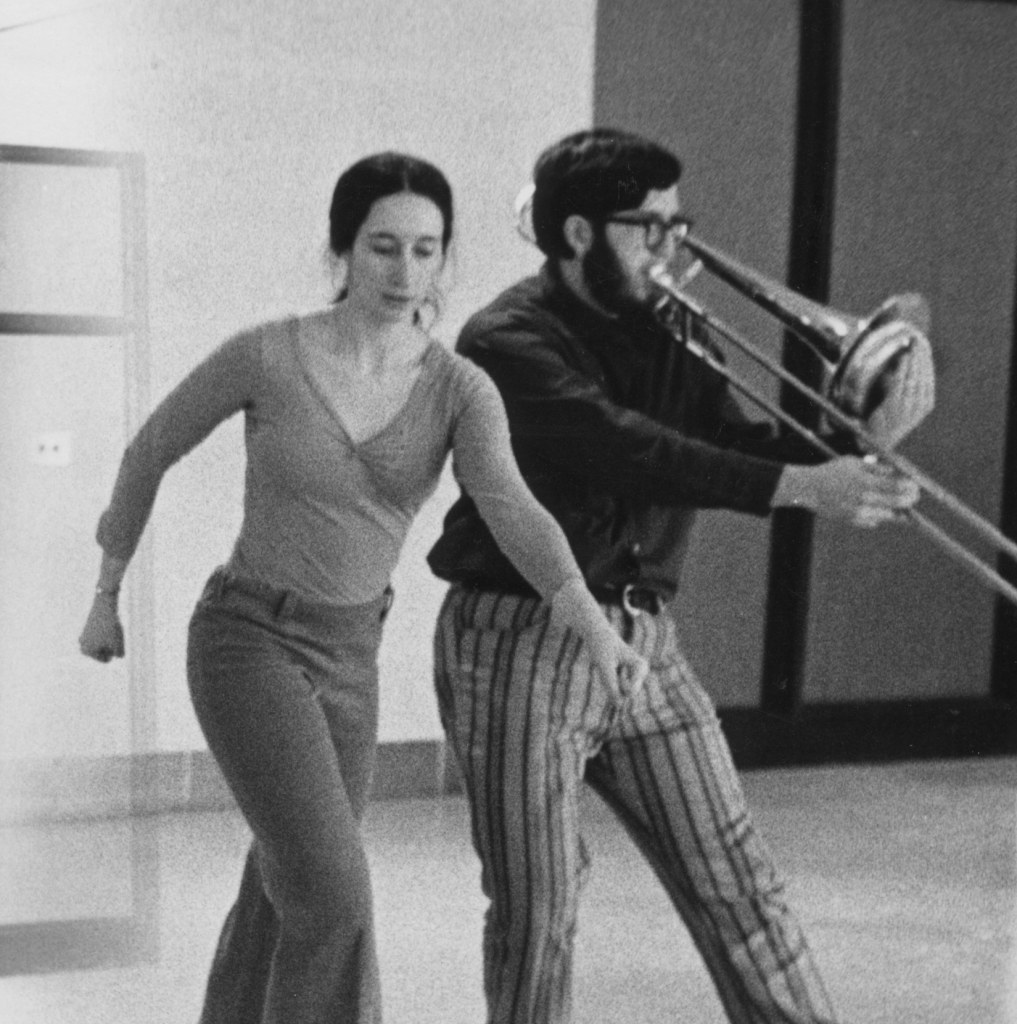
    Where’s Waldo? (one of three beards)
    with dancer Risa Friedman

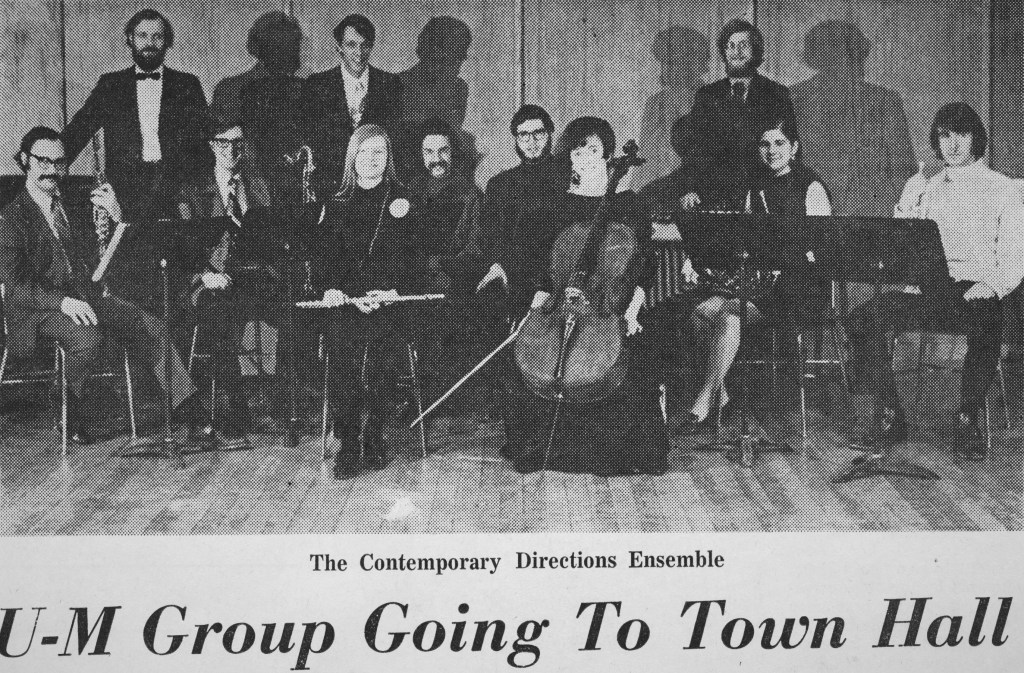
    As trombonist for the U. Mich. Contemporary Directions ensemble, I performed more avant garde works, such as this challenging brass piece:

    Gunther Schuller – Music for Brass Quintet

    My youthful composing had been mostly for piano and trombone. Brass chamber music compositions naturally followed in my student and early professor times.

    • NIGHT SONGS — trombone. TC-21 (1969) Borik Press
    • TRILOGY — brass quintet. TC-23 (1970)
    • ISOSTRATA — 2 trp., 2 tbn., tuba, perc. TC-35 (1977) Seesaw Music
    • ICESCAPE — brass quintet. TC-39 (1980)
    • MUCHA’S LIGHT — Brass quintet. TC-73 (1996)
    • KLADNO SKETCHES — Brass septet. TC-100 (2019)

    Kladno

    Kladno is a Czech city in the Central Bohemian Region 25 kilometers northwest of Prague. In the middle of the 19th century, the discovery of coal there led to the establishment of one of the great ironworks and then steel mills in all of Europe.

    Kladno is near Lidice, the village destroyed by the Gestapo in 1942. Of the Lidice men who were all shot in the atrocity, many had walked to Kladno each day to work in the coal mine or the Poldi steel works.

    Kladno Sketches

    Clark 2019 (TC-100)

    Zámek – peaceful gardens

    This image has an empty alt attribute; its file name is zamek-garden.jpg

    The city remains a thriving place with a population of 70,000, a large church, municipal building, state library and archives, monuments, theaters, museums, and beautiful parks. The Czech people have always been hard working, they love gardens, especially roses, and they love beer in the fine pilsner style they created.

    Poldi – ironworks

    This image has an empty alt attribute; its file name is img_0659.jpg

    Poldi has thrived and survived for more than 100 years, through two world wars and occupations of the country, but the factory finally closed and most of the buildings are now abandoned.

    Svobody – Freedom plaza

    This image has an empty alt attribute; its file name is svobody.jpg

    Suffering under so much occupation and oppression throughout their history in the center of Europe, Czechs especially value “svobody” – freedom.

    ___________

    Chicago

    Beyond brass, more chamber music scores inspired by places . . .

    Chicago Sketches

    Clark 2019 (TC-96)

    Fermi Lab

    December 1942

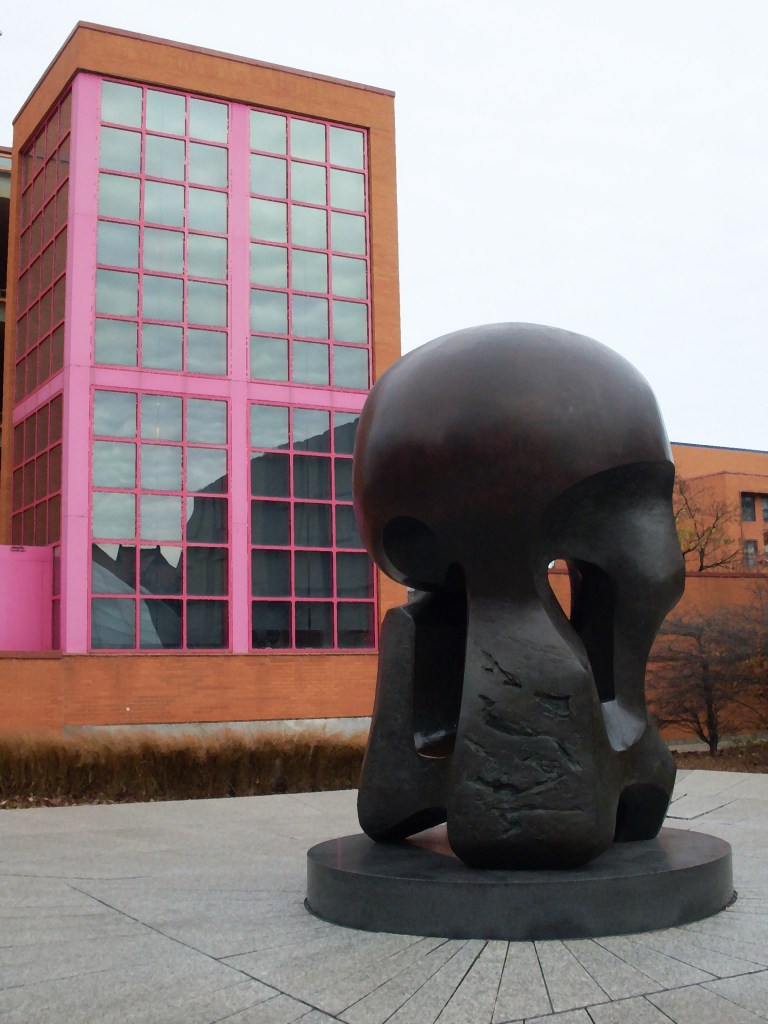
    Henry Moore sculpture on the University of Chicago campus, commemorating the site of the experimental pile that launched the atomic age

    Navy Pier

    March 2014

    A winter visit to the Lake Michigan shore

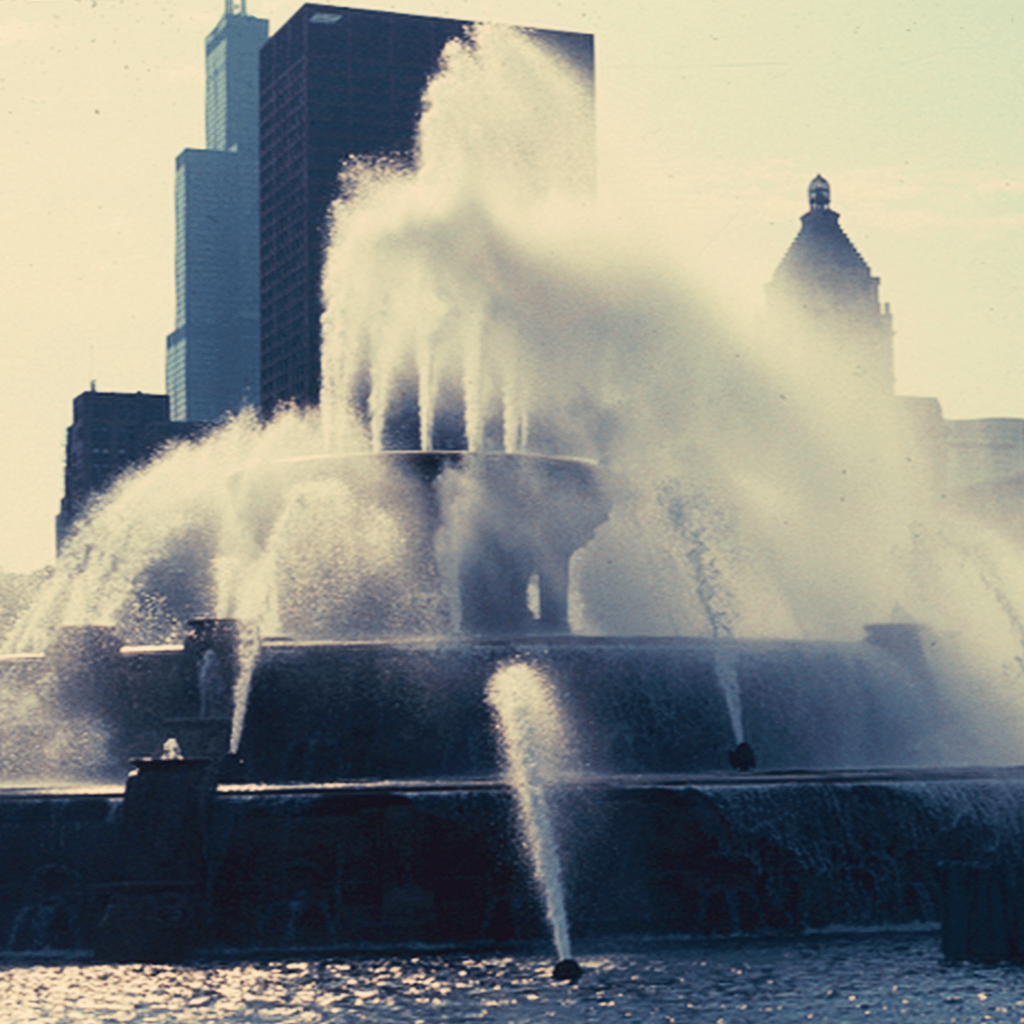
    Buckingham Fountain

    August 1976

    A pilgrimage to Grant Park with new family four months before the wedding

    Leelanau

    The “Great Lake State,” Michigan is two enormous peninsulas surrounded by Lakes Michigan, Superior, and Huron. Actually, there are many smaller peninsulas extending out into the lakes. The Leelanau Peninsula (north of the venerable Interlochen music camp where I spent many summers) extends about 30 miles from the northwestern corner of the mitten-shaped Lower Peninsula into Lake Michigan.

    Algonquian-speaking tribes occupied this area prior to European colonization. The land is now home to lighthouses, wineries, ski slopes, inland lakes, and coastal dunes and beaches.

    Leelanau Sketches

    Clark 2022 (TC-117)

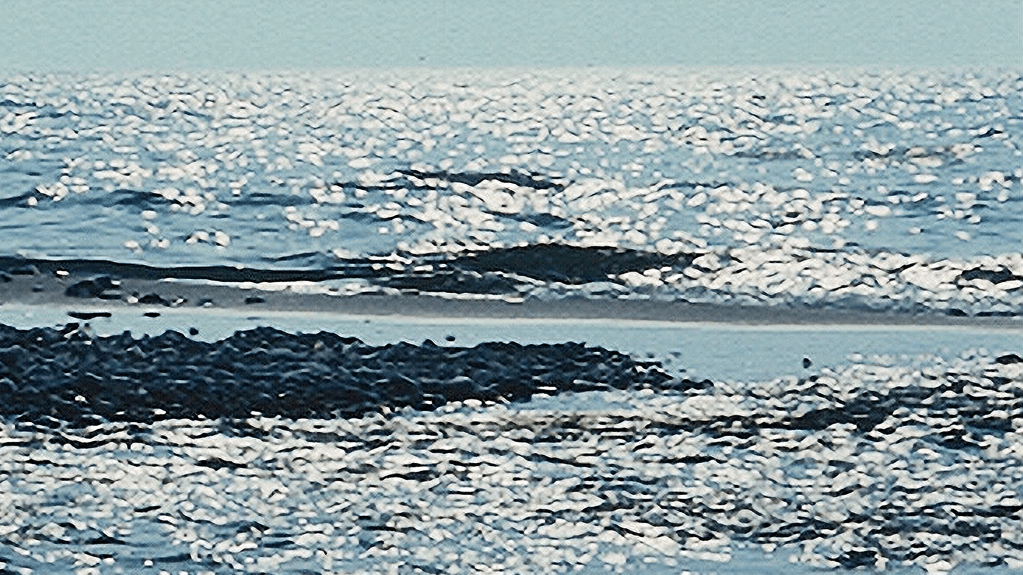
    Shining Water

    The changing patterns of sunlight sparkling on water always fascinates me, particularly on Lake Michigan looking west from the Leelanau Peninsula.

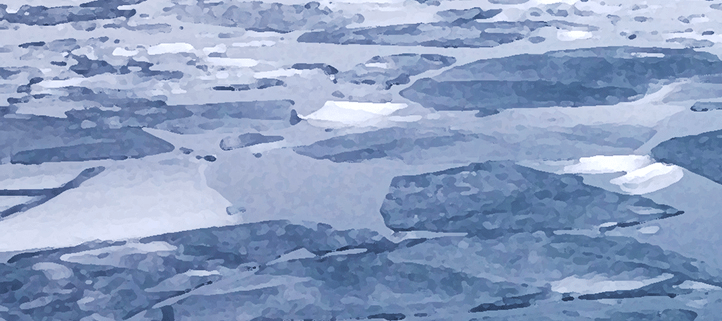
    Ice Caves

    On the Leelanau Peninsula’s western shore, the Lake Michigan surf sometimes whips up and freezes in mid-air, forming weird ice caverns and ice dunes.

    Ojibwe legend tells of a fierce forest fire on the western shore of Lake Michigan, forcing a mother bear and her two cubs into the water to swim to the opposite shore. After many miles of swimming, the exhausted cubs drowned. When the mother bear reached the eastern shore, she waited on top of a high bluff in hopes that her cubs would finally appear. Moved by the mother bear’s determination and faith, the Great Spirit created two islands to commemorate the cubs, and the winds buried the sleeping bear under the sands of the dunes, where she still waits.

    Sleeping Bear Dunes

    The main dune is enormous, a mountain of sand rising dramatically above the shore of Lake Michigan. The bear’s bluff atop this majestic mass of earth is a serene vista of radiant sun, windblown sand and waves.

    Autumn on M22

    A scenic autumn drive around the peninsula on Highway M22 is a glory of light sifting down through a canopy of colored leaves. The 75-mile drive from Empire on M22 winds northeast to Northport then south around the east side of the peninsula along Grand Traverse Bay to Traverse City.

    Compared to brass, my list of chamber music pieces for strings is more recent but longer.

    Highlands

    There are many Highlands in my life. I am part Scottish, though my great grandparents are from Glasgow, not the Highlands. I do enjoy its single-malt whiskeys, though, and I went to Howell High School, the “Highlanders.” And I now live in the Texas Hill Country.

    Then there is Českomoravská vrchovina . . .

    This image has an empty alt attribute; its file name is lounovice.png
    Býkovice below Velký Blaník massif

    I first visited what was then still Czechoslovakia in 1991. The Bohemian-Moravian Highlands are between the two main regions of what is now the Czech Republic. The ancient town of Tabor and the legendary Blaník mountains are two points of scenic and historical interest. Highlands Sketches sound paints climbing the mountain’s rugged slope, a thunderstorm of dissonant accents, and the quiet harmonic progression of an autumn dusk.

    Highlands Sketches

    Clark 2023 (TC-137)

    Massif

    “Velký Blaník”

    This image has an empty alt attribute; its file name is up-blanik.png

    Storm

    “bouřka”

    This image has an empty alt attribute; its file name is thunderhead-1.png

    Dusk

    “soumrak”

    This image has an empty alt attribute; its file name is boh-dusk.png

  • 2. Musique Française

    Ann Arbor, 1968 —

    Having begun composing in 1963, I started formal composition study in 1968 at the University of Michigan in Ann Arbor. American composer Eugene Kurtz, based in Paris but filling in that semester at Michigan, was assigned to teach the new freshman. A proponent of modern French music, his compositional models included Debussy and Ravel.

    Sonatine

    Kurtz assigned me to immerse myself in deep study of their music, in particular Ravel’s Sonatine (1905).

    Ravel: Sonatine

    Judith Valerie Engel on YouTube

    Fifty years later in my career as a more experimental composer, my compositional style began to mellow toward a gentler Impressionistic approach and a lush, bright harmonic language reminiscent of Debussy and Ravel.

    Homage to Ravel, my new Sonatine is spun from a single harmonic progression, seven chords each stacking a Perfect Fifth interval high above another.

    This material (what Schoenberg would call a Grundgestalt) generates melodic lines and many arpeggiation patterns, in successive variations of changing register, intensity, and rhythmic pace.

    Sonatine

    Clark 2025 (TC-155)

    Nocturnes

    In 1907, French composer Claude Debussy wrote, “I am more and more convinced that music, by its very nature, is something that cannot be cast into a traditional and fixed form. It is made up of colors and rhythms”. Color, light, and texture were also the hallmarks of a new style of painting developed by French artists — Impressionism.

    At the threshold of the 20th century on 15 December 1899, Debussy completed the first of his Impressionist masterpieces for orchestra, Trois Nocturnes. He avoided labeling it “symphony” or “tone poem” by calling the movements “three symphonic sketches”. The first sketch of Nocturnes is subtitled “Nuages,” premiered on 9 December 1900 in Paris.

    Debussy’s biography describes the genesis of the piece while crossing the Pont de la Concorde in Paris in stormy weather. The composer’s notes say, “‘Nuages’ renders the immutable aspect of the sky and the slow, solemn motion of the clouds, fading away in grey tones lightly tinged with white.”

    Debussy: Trois Nocturnes

    Vienna Philharmonic on Youtube

    Adopting the French language and musical style recognizes the early French explorers of the Great Lakes region of North America. The first decades of my life began there in Michigan’s Lower Peninsula (the “mitten”). It has its own smaller Leelanau Peninsula in the northwest corner (the mitten’s “little finger”) near Interlochen’s National Music Camp, where I spent many summers. Nearby Grand Traverse Bay has its own even smaller Old Mission peninsula, where I loved to visit its lighthouse. The Leelanau has a grand lighthouse at its northern tip and a scenic drive, state highway M21, winding for 64 miles all the way around the peninsula’s shoreline, through forests and past the Great Sleeping Bear Sand Dunes.

    In 1984 my piece titled PENINSULA for piano and sound synthesis was a more experimental work that traced a map of the Leelanau and its landmarks to determine by their spatial coordinates the timing and pitches of sound constellations.

    Moving forward from that mapping phase of my compositions, my Impressionistic phase produced the sound sculpture Leelanau Sketches in 2022. Some of its musical material reappears now in five symphonic sketches, Belle Péninsule. Here is the fourth movement, which quotes Debussy’s “Nuages.”

    Belle Péninsule

    IV. “Nuages blanc

    Clark 2024 (TC-147)

    La Mer

    Debussy’s completed his second composition of three symphonic sketches for orchestra, La Mer, in 1905. It is a monumental work of Impressionist sound-painted textures and a textbook model of lush, beautiful orchestration. The three sketches are titled:

    “De l’aube à midi sur la mer”

    “From dawn to midday on the sea”

    Jeux de vagues”

    “Play of the Waves”

    “Dialogue du vent et de la mer”

    “Dialogue of the wind and the sea”

    Debussy: La Mer

    Orchestre national de France

    My homage to La Mer, Sea Sketches, sound-paints waves, deep currents, wind, and sun-sparkling surfaces, employing swelling sound colors and post-modern cyclic techniques in a pan-diatonic tonal setting. The end briefly quotes the opening arpeggio of Debussy’s “La fille aux cheveux de lin” (“The Girl with the Flaxen Hair”) from Book I of his Préludes for piano (1909-1910).

    Sea Sketches

    Clark 2023 (TC-132)

    ________