Tag: Brno International Music Festival

  • journal 20. Effulgence

    San Marcos, 2018 —

    “Radiant, resplendent light” . . . a word more poetic than scientific.

    I first wrote a simple canon in 1977 as Sunday morning background music with coffee. A line of glowing tones rises then falls back, then rises higher and back down again. The same line is echoed against itself, a canon building sloping hills and mountain ridges of blending overtones. Almost 40 years later, cellos became the climbers.

    Rainbow Rising

    Clark 2016 (TC-83)

    Texas State cello students
    Boris Chalakov, Joshua Adams,
    Terri Boutte, Simon Reid,
    Anna Trevino, Gabriel Vazquez
    February 6, 2018 at Texas State Univ.

    Back to Czech-American composer Karel Husa. In 1992 I met him in Brno while attending the International Music Festival, for which he was the celebrated guest coming home for the first time since the Czech revolution opened the country after 40 years of Soviet oppression. Later as a professor studying and teaching contemporary music, I discovered his magnificent third string quartet, winner of the 1969 Pulitzer Prize. To me, its rhythmic energy, expressive intensity, and superb craftsmanship make it a work epitomizing the best of modern art music in the third quarter of the 20th century.

    I have used all the possibilities hitherto available. The forms of the four movements are few, based mostly on contrasting colors and inner tension.”

    LISTEN ›

    Fine Arts Quartet

    Streams, shores, trails

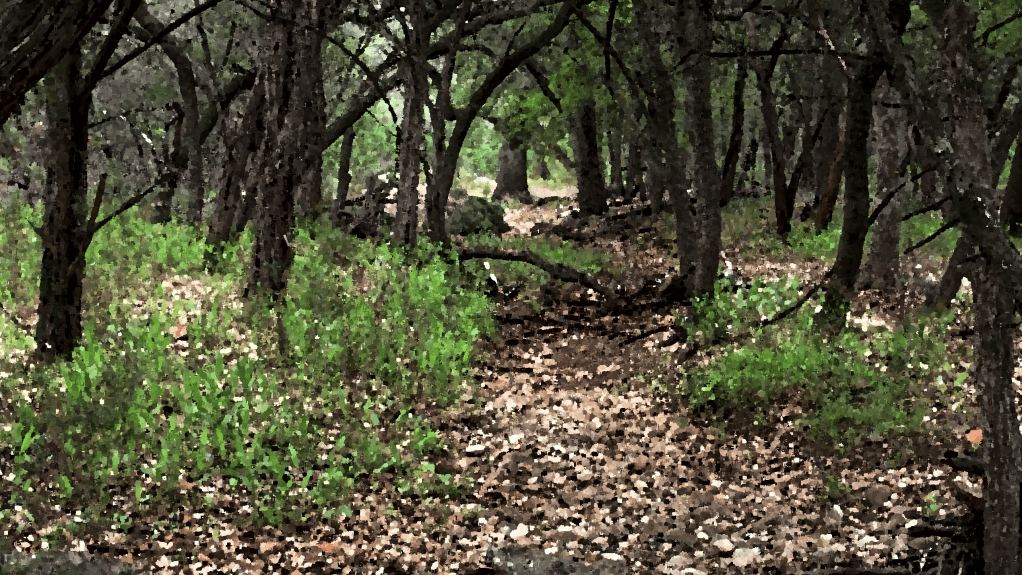
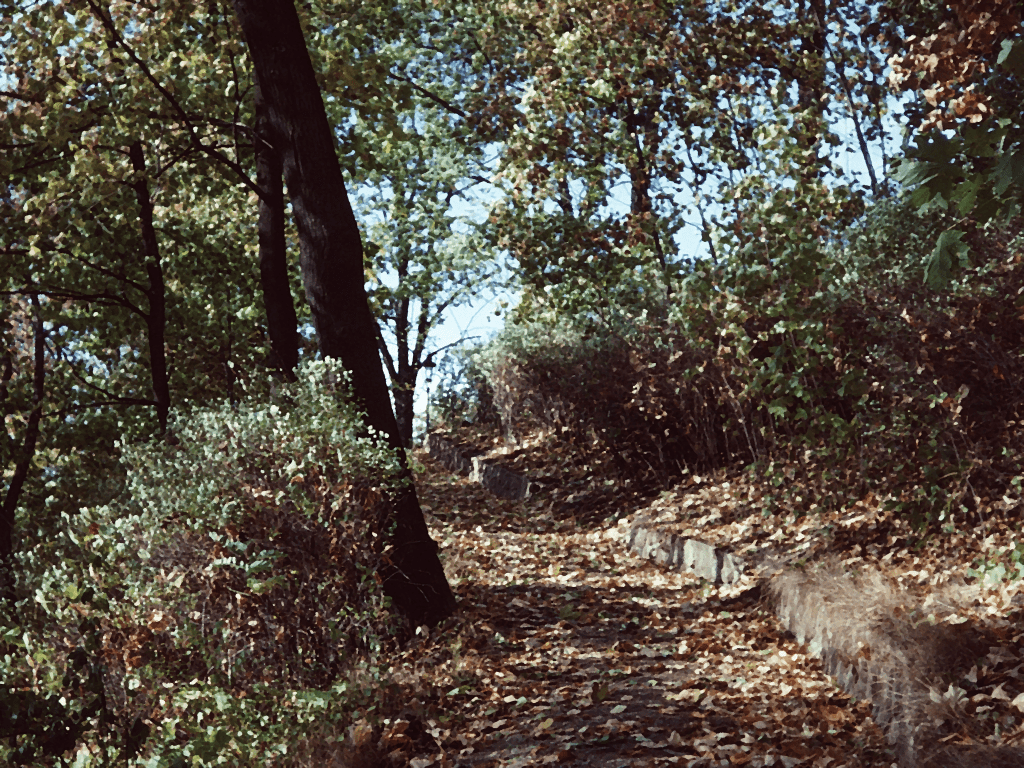
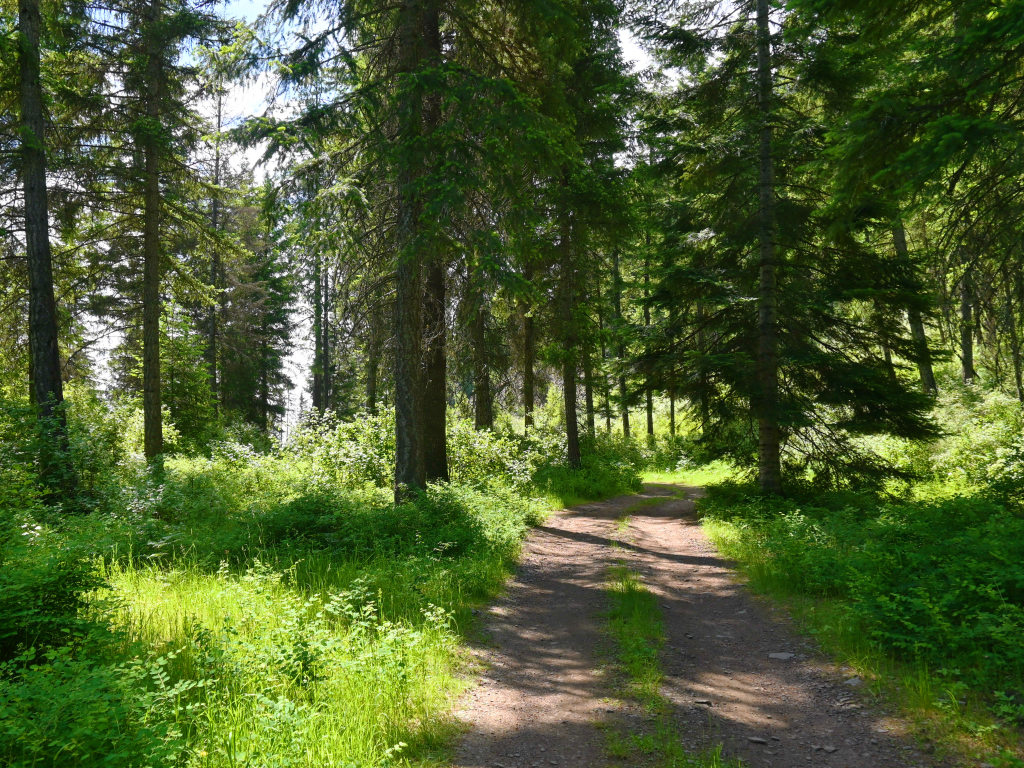
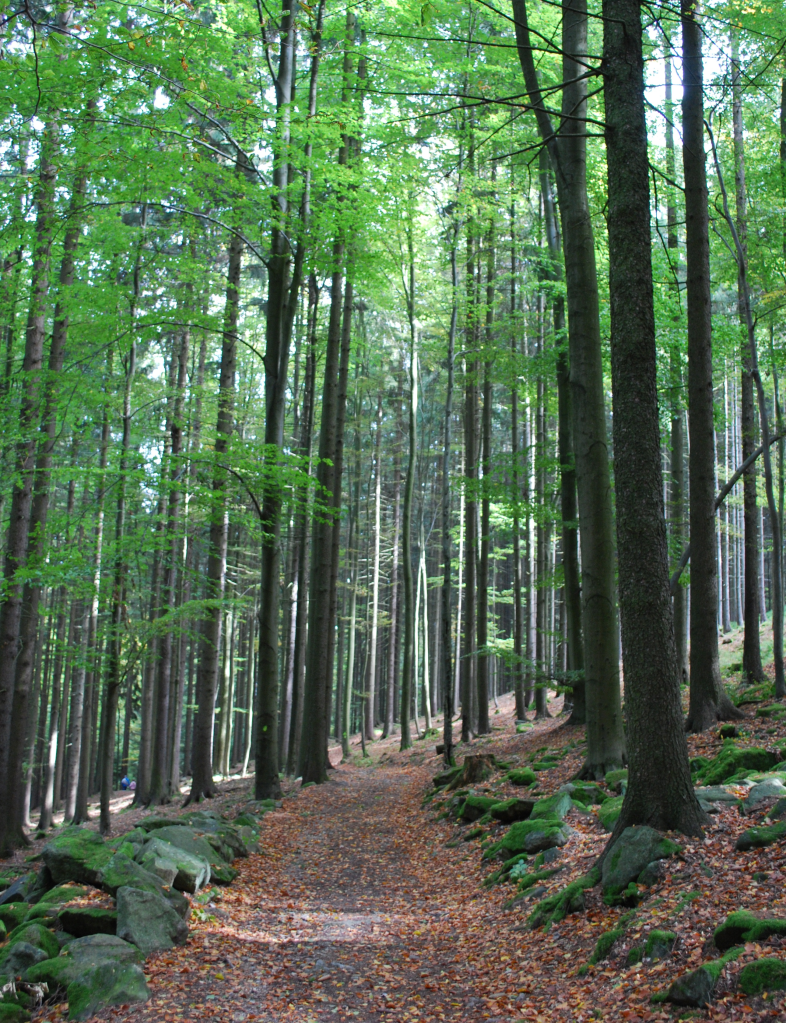
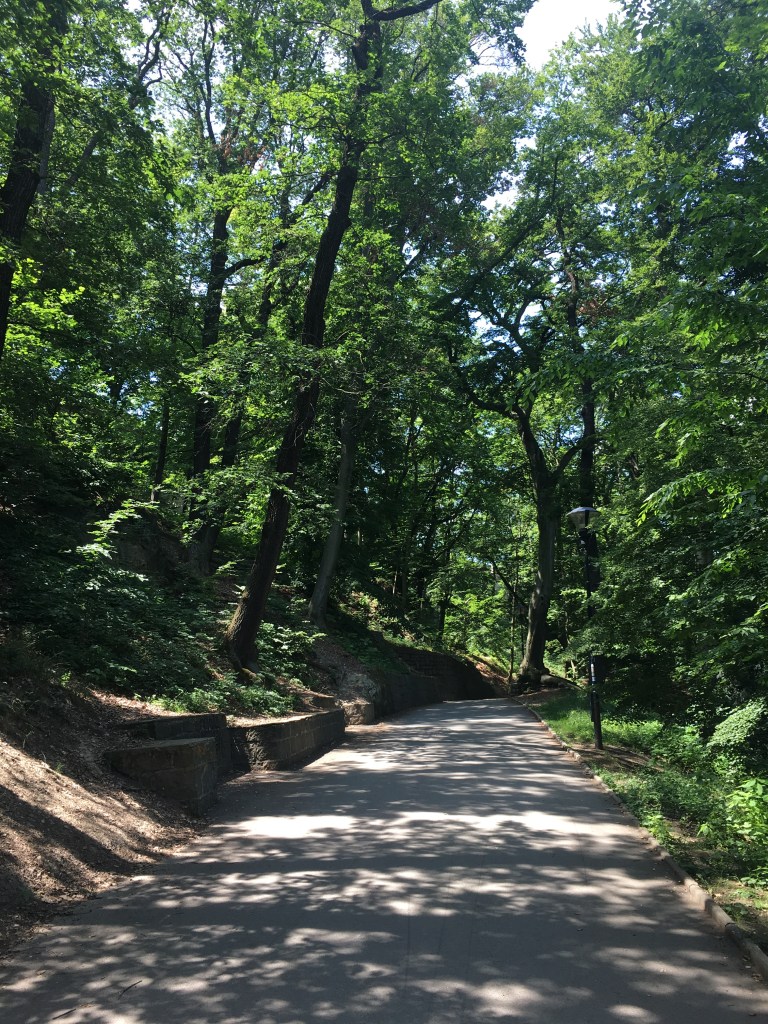
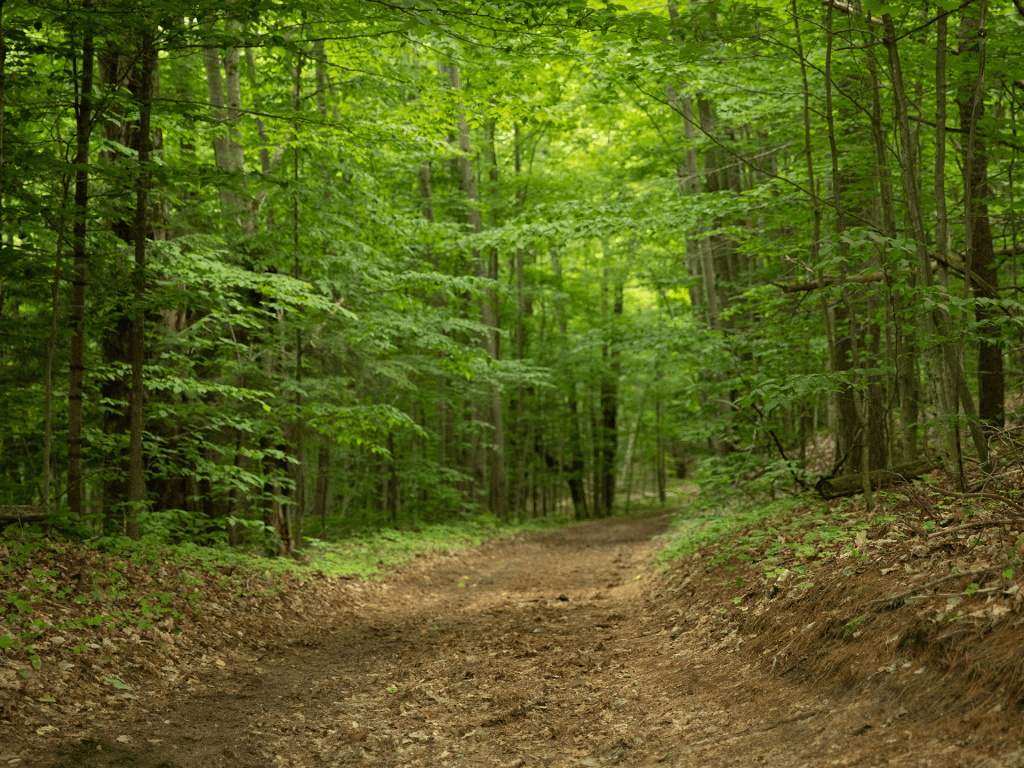
    We started this journal with my story of growing up in rural Livingston County Michigan, next to a small river and surrounded by woods and farm fields. Hiking through this nature-scape in all seasons (especially fall), in all weather, in sunshine and in moonlight, became my lifelong habit for 60 years.

    A forest path or a sandy shoreline are physical analogs to a musical line, a melody.

    A line can weave a complex fabric with echoes of itself. My compositional fascination with musical canon began in the early 1970s with study (at the University of Michigan) of Johannes Ockeghem’s 15th-century polyphony, the 10 canons in Bach’s 18th-century The Musical Offering, and Webern’s 20th-century Symphonie Op.21. As a young professor in the 1980s teaching 16th-century counterpoint at what was then North Texas State University (now UNT), I used canon as a challenging contrapuntal writing assignment.

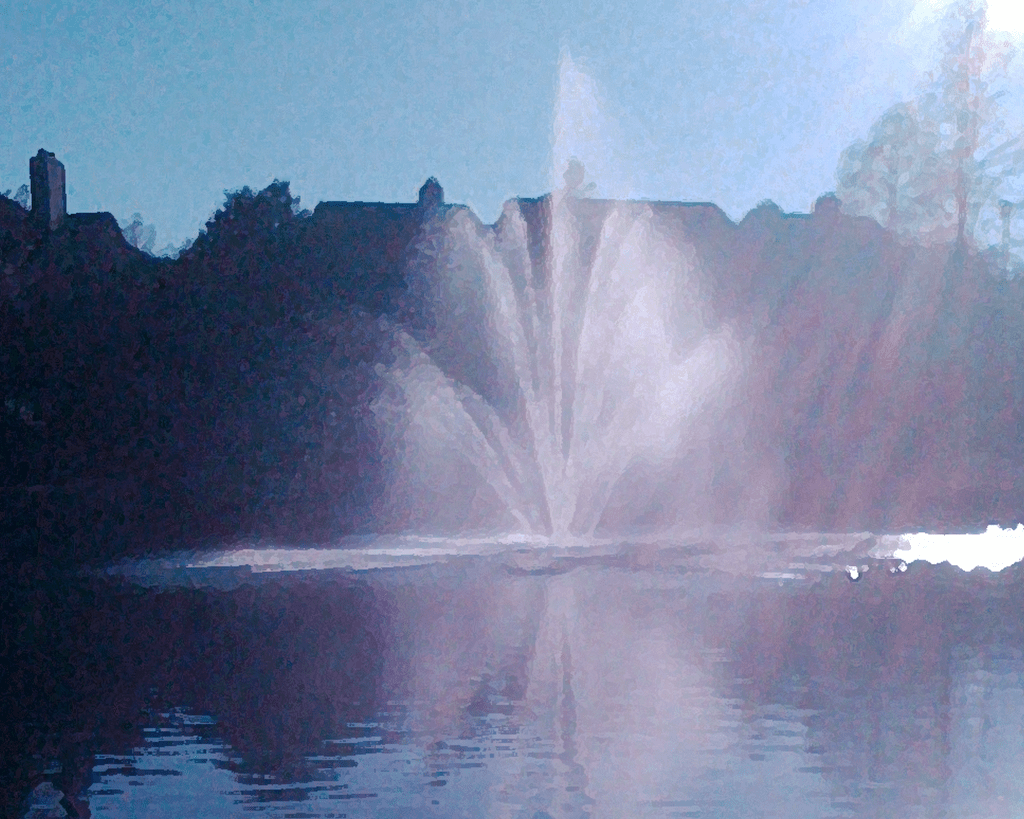
    In 1984 I composed an improvisatory piece for my UNT New Music Performance Lab. EFFULGENCE (the word means “brilliant, shining radiance”) was in the style of Terry Riley’s famous In C, overlapping repetitive patterns that I call “multi-phase ostinato” music. EFFULGENCE employs a canon treatment of differing-length motives to create the constant overlapping of patterns out of phase with other lines. The result is like the rhythmic dance of a fountain.

    EFFULGENCE

    Clark 1994 (TC-49)
    Light and shadow

    In 1985, a wind ensemble piece, OF LIGHT AND SHADOW: Two Canonic Sketches, was a more formal canon construction. Other contrapuntal writing surrounds an extended canon in a 2021 string quartet, Dark Matter.

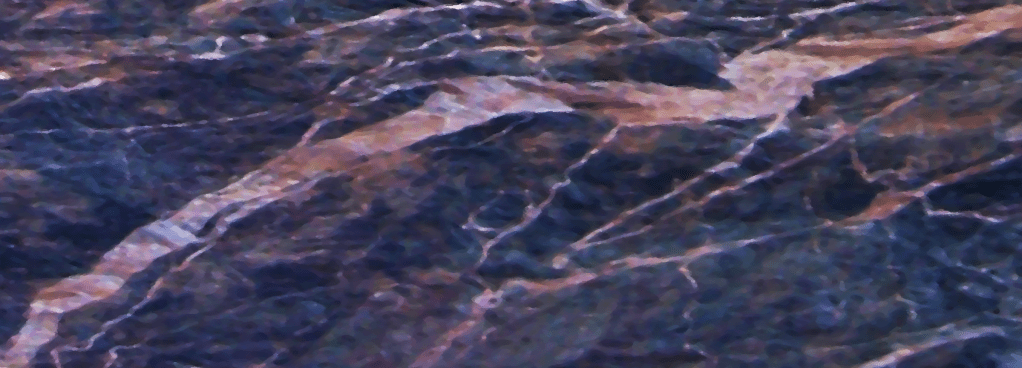
    Now canon pervades much of my 21st-century writing, a challenging yet stimulating and gratifying approach to texture and continuity of material. Black Canyon (2024, TC-140) is included in both Canyon Sketches (TC-141) and in Book of Canons (2024, TC-148). The title comes from my photographic memories of the Black Canyon of the Gunnison River, named for the ever-present shadows the narrow canyon’s steep, sheer, tall rock walls cast on the river flowing far below. The sheer cliffs of the Black Canyon are metamorphic Precambrian gneiss and schist, streaked with thin, brighter-colored layers of pegmatite. These streaks sketched on the darker rock look like maps of ancient contrapuntal lines, suggesting a simple musical canon in four voices that builds the fabric of Black Canyon.
    Cesty světla

    Book of Canons collects 14 excerpts from these works, showing each canon’s subject, points and pitch levels of answer, and sounding each excerpt scored as a string trio. Forest Paths stitches them together in an ambling journey along a path through a metaphorical sound environment of sunlight, shadows, and leaf-fluttering breezes.

    Forest Paths

    Clark 2022 (TC-123)

    Salem Lake, North Carolina
    San Marcos Texas
    Spilberk Castle, Brno
    Montana
    Blanik massif, Bohemian-Moravian Highlands
    Prague
    Camp Michigania – courtesy of Michigan Alumni Assoc.

    ___________

  • journal 11. Moravská Hudba

    Brno, 1991 —

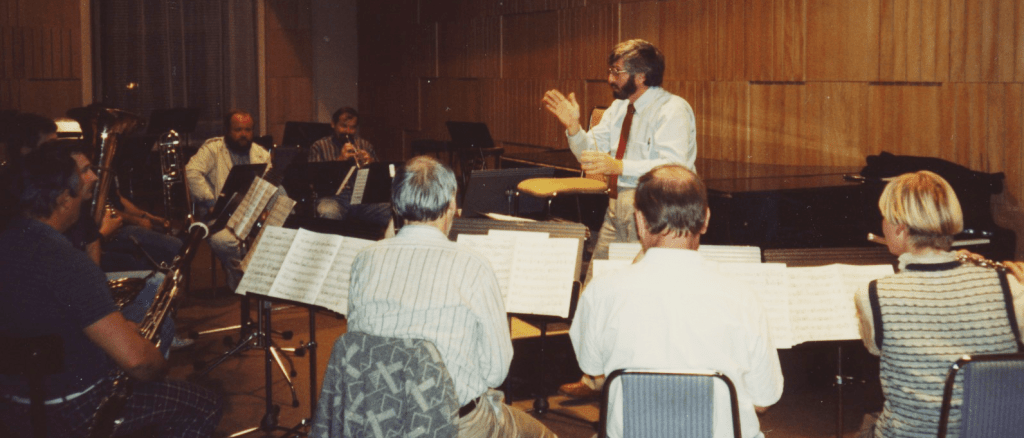
    I first visited Czechoslovakia in 1991 to perform at the Brno International Music Festival. How this opportunity came about is a story in itself. My colleague Tom Sovik at the University of North Texas joined a group promoting the City of Dallas as a sister city with Brno, the second largest Czech city and capital of the Moravian province, where he had done his doctoral musicology research. At his suggestion, I wrote a short piece as a gift to Brno. Its mayor turned over the gift score to the secretariat of Brno’s International Music Festival, a distinguished Moravian composer Arnošt Parsch. He invited me to come to the festival and conduct my music. The result was an October 1991 performance in Brno’s New Town Hall of two of my works, ANTIPHONS (1989) and CANZONA, for combined woodwind and brass quintets, which I conducted.

    rehearsing with Czech ensemble

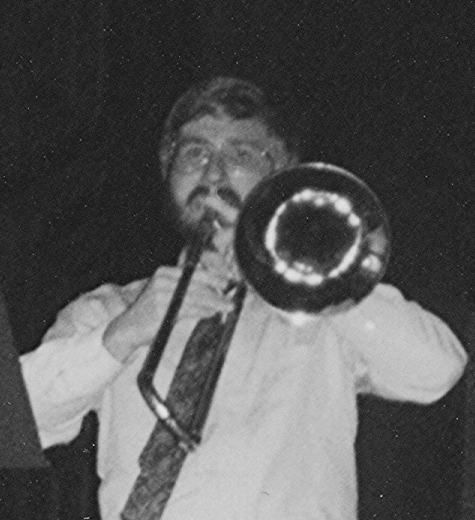
    Parsch invited me back in 1992 for the 27th Brno International Festival’s Experimental Music Exposition V. I presented my LIGHTFORMS 2: StarSpectra multimedia computer music and played trombone in an experimental multimedia piece by my friend, Rodney Waschka. I had performed the same program early that fall at the Festival Internacional Alfonso Reyes in Monterrey, Mexico.

    PTACí

    While in Brno for the 1991 festival, I met choreographer Hana Smičkova, who invited me to compose a work for her Mimi Fortunae Dance Theater, which rehearsed in the ancient Spilberk Castle. I began studying the great 20th-century Moravian composer Leoš Janáček’s music as background for the ballet’s composition.

    PTACí (“Birds”) was premiered in Brno in 1993 by the Moravian Chamber Orchestra, which I conducted. The ballet, choreographed by Smičkova, was performed by Mimi Fortunae in historic Mahunovo Divadlo, the first building in Europe to be equipped by Thomas Edison with electric lights.

    During these years, Parsch and I became composer friends. Our visits to each other always included long walks in nature and deep discussions of music, art, and culture. In 1991 I had visited the northern Moravian mountain village of Hukvaldy, the summer home of Janáček. He loved nature walks and studied bird songs.

    Hukvaldy Sketches was first a concert suite of PTACI, my set of modern musical impressions of old Moravia, in the ancient heart of Eastern Europe. Scored for a chamber quartet, it was premiered February 6, 2018, at Texas State University Performing Arts Center, by Ian Davidson (oboe), Vanguel Tangarov (clarinet), Ames Asbell (viola), and Kari Klier (marimba).

    The final transformation of this work was a re-scoring of Hukvaldy Sketches for the original PTACI orchestration. Its five scenes:

    Hrad – morning climb to the castle ruins

    Ptáci – watching Leoš’s birds

    Vody – forest streams and shadows

    Bystroušky – mouflons and other mountain wildlife

    Podzim – autumn sunset

    PTACí / Hukvaldy Sketches

    Clark 1993/2016 (TC-69/80)

    Morava

    In my intense study of Janácek, I reveled in the expressive depth of his uniquely modern Moravian music. His powerful String Quartet No. 2 and his collection of gentle piano music, Po zarostlém chodníčku, affected me deeply.

    In one of my Brno performances, Parsch’s Czech colleagues commented on my music’s affinity to modern Moravian musical style. I was informally dubbed an honorary Moravian Composer, a distinction I proudly took as a high honor of their acceptance. Since then, I have written many pieces with Czech imagery:

    Two of these are vocal music that include some Czech lyrics. The treble choir piece A NEW LIDICE begins with “We build a new village, while a just world watches. Stavíme novou vesnici. Spravedlivý svêt bude sledovat.” Children (including my daughter Alison) sang a short phrase in Czech in MORAVIAN MOUNTAIN SONGS, written for the Woodrow Wilson Elementary School Choir in Denton, Texas.

    Sinfonietta

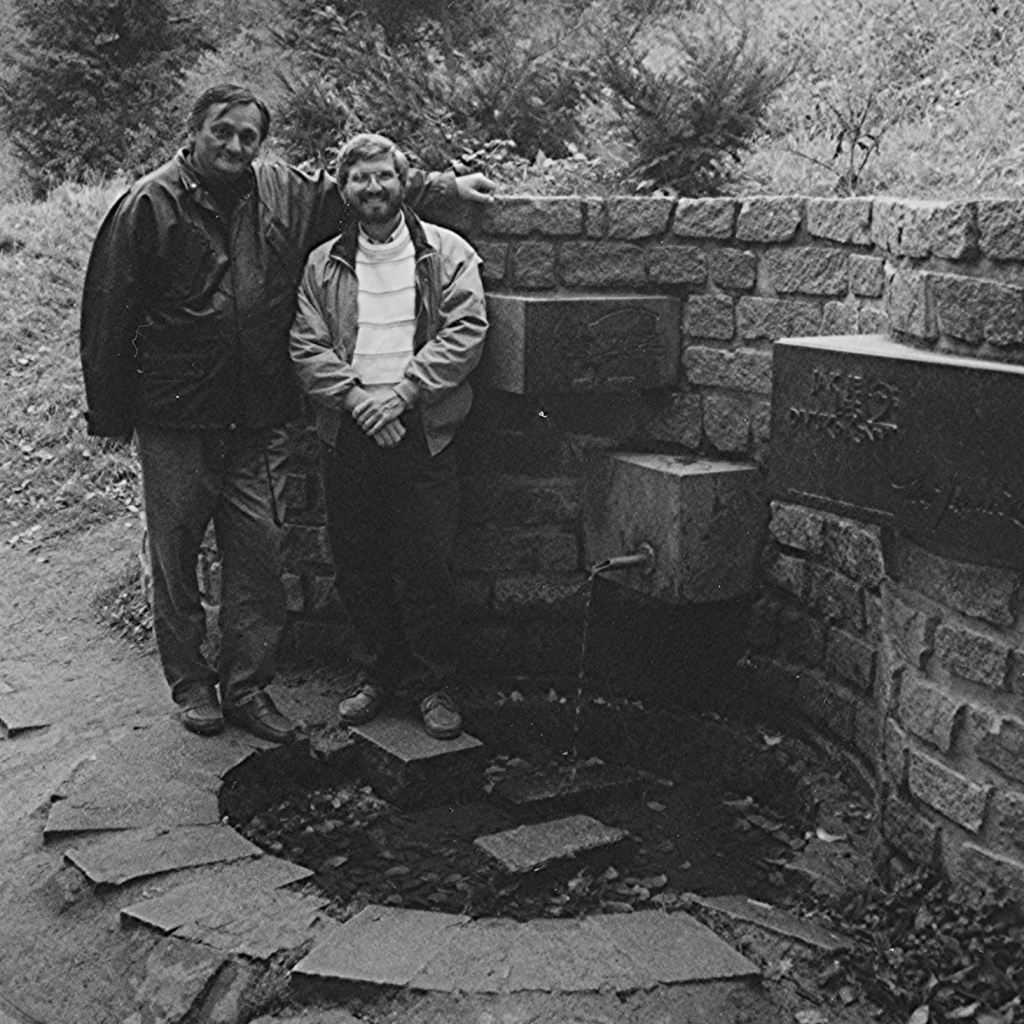
    with Parsch at the spring outside Brno

    Leos Janácek composed his great concert work, Sinfonietta, in 1926 for the Sokol Gymnastic Festival in Prague. Janáček said it was intended to express “contemporary free man, his spiritual beauty and joy, his strength, courage and determination to fight for victory.” It is what I call musical sketches of his home city, Brno, the largest city in the Moravian east of what was then Czechoslovakia.

    I visited Brno several times starting in 1991 to perform my music at its International Music Festival.

    LISTEN ›

    Janácek Sinfonietta

    UNT Symphony Orch. on YouTube

    The festival traditionally ends with a performance of Sinfonietta by the Brno Philharmonic in Janácek Divadlo (theatre). In 1993 my ballet, PTACI, was premiered at historic Mahunovo Divadlo, across a plaza from Janácek Divadlo.

    Though I could have continued my “Sketches” series with a “Brno Sketches,” instead a 2024 work is a set of more abstract variations partly based on and quoting themes from Sinfonietta (in the tradition of Brahms’ Variations on a Theme of Haydn).

    • Variation 1 “Canon” engages that ancient musical technique, evoking Brno’s medieval history.
    • Variation 2 “Overtones” explores two harmonic series, C and Bb, painted over each other in layers of color, with hints of fanfare emerging through the clouds.
    • Variation 3 “Constellations” is a kaleidoscopic succession of large sonorities built on stone-sturdy Perfect Fifth intervals brightened by jazz-like added tones.
    • Variation 4 “Fanfare” is an ostinato pattern-music fantasia on Sinfonietta‘s grand fanfare themes.

    Brno Variations

    Clark 2024 (TC-138)

    ___________