San Marcos, 2018 —
“Radiant, resplendent light” . . . a word more poetic than scientific.
I first wrote a simple canon in 1977 as Sunday morning background music with coffee. A line of glowing tones rises then falls back, then rises higher and back down again. The same line is echoed against itself, a canon building sloping hills and mountain ridges of blending overtones. Almost 40 years later, cellos became the climbers.
Rainbow Rising
Clark 2016 (TC-83)
Texas State cello students
Boris Chalakov, Joshua Adams,
Terri Boutte, Simon Reid,
Anna Trevino, Gabriel Vazquez
February 6, 2018 at Texas State Univ.
Back to Czech-American composer Karel Husa. In 1992 I met him in Brno while attending the International Music Festival, for which he was the celebrated guest coming home for the first time since the Czech revolution opened the country after 40 years of Soviet oppression. Later as a professor studying and teaching contemporary music, I discovered his magnificent third string quartet, winner of the 1969 Pulitzer Prize. To me, its rhythmic energy, expressive intensity, and superb craftsmanship make it a work epitomizing the best of modern art music in the third quarter of the 20th century.
I have used all the possibilities hitherto available. The forms of the four movements are few, based mostly on contrasting colors and inner tension.”
LISTEN ›
Fine Arts Quartet
Streams, shores, trails
We started this journal with my story of growing up in rural Livingston County Michigan, next to a small river and surrounded by woods and farm fields. Hiking through this nature-scape in all seasons (especially fall), in all weather, in sunshine and in moonlight, became my lifelong habit for 60 years.
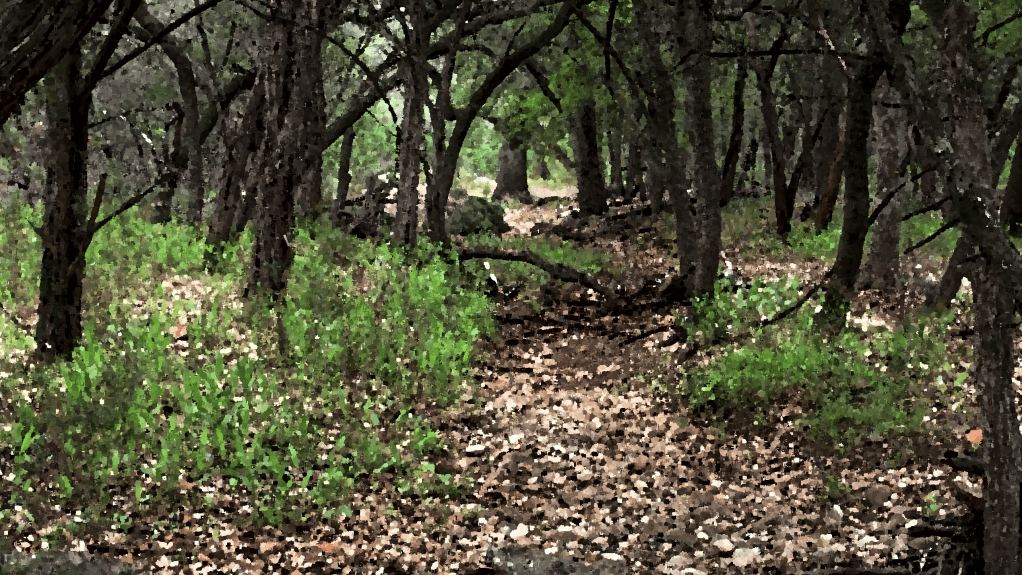
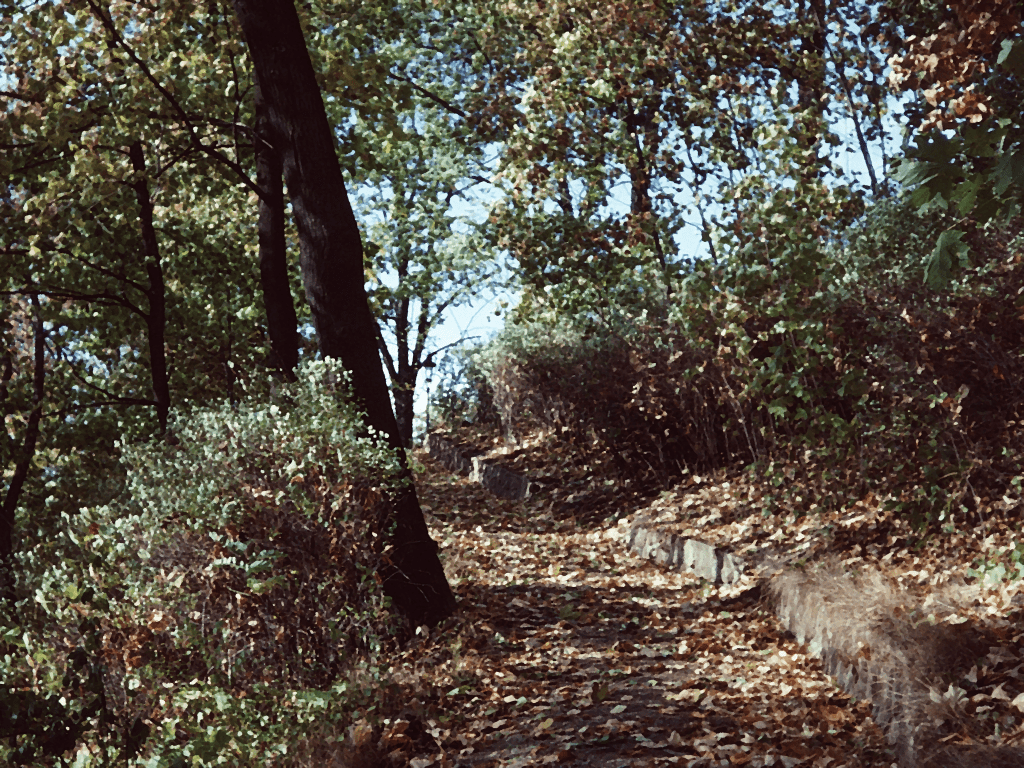
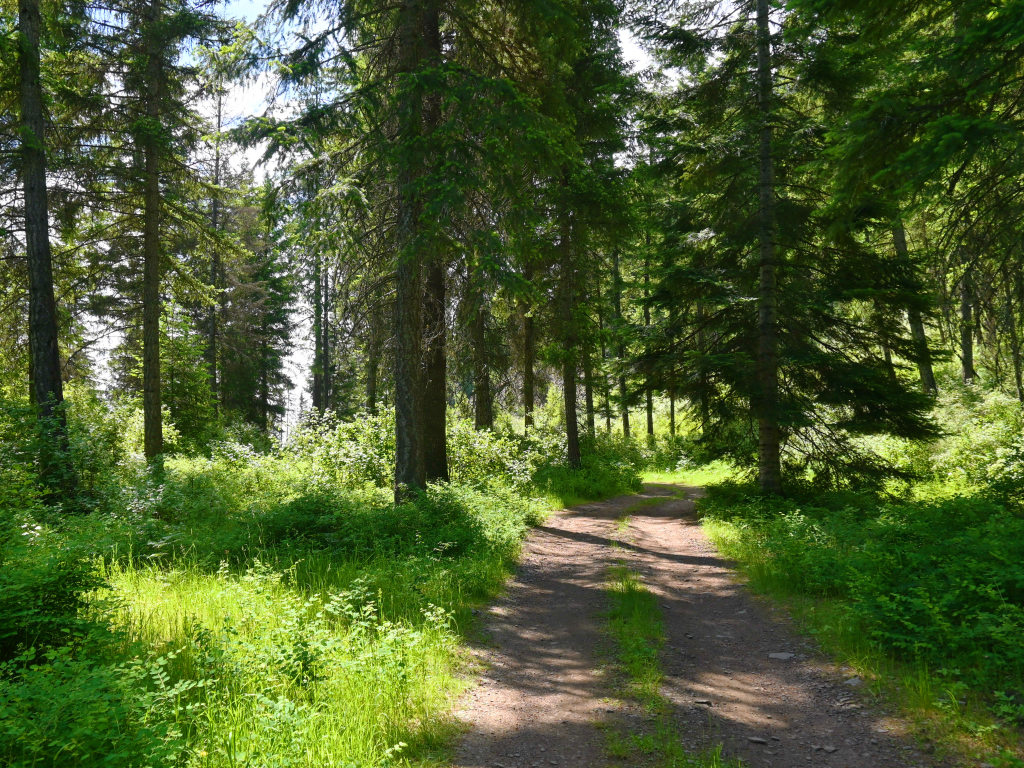
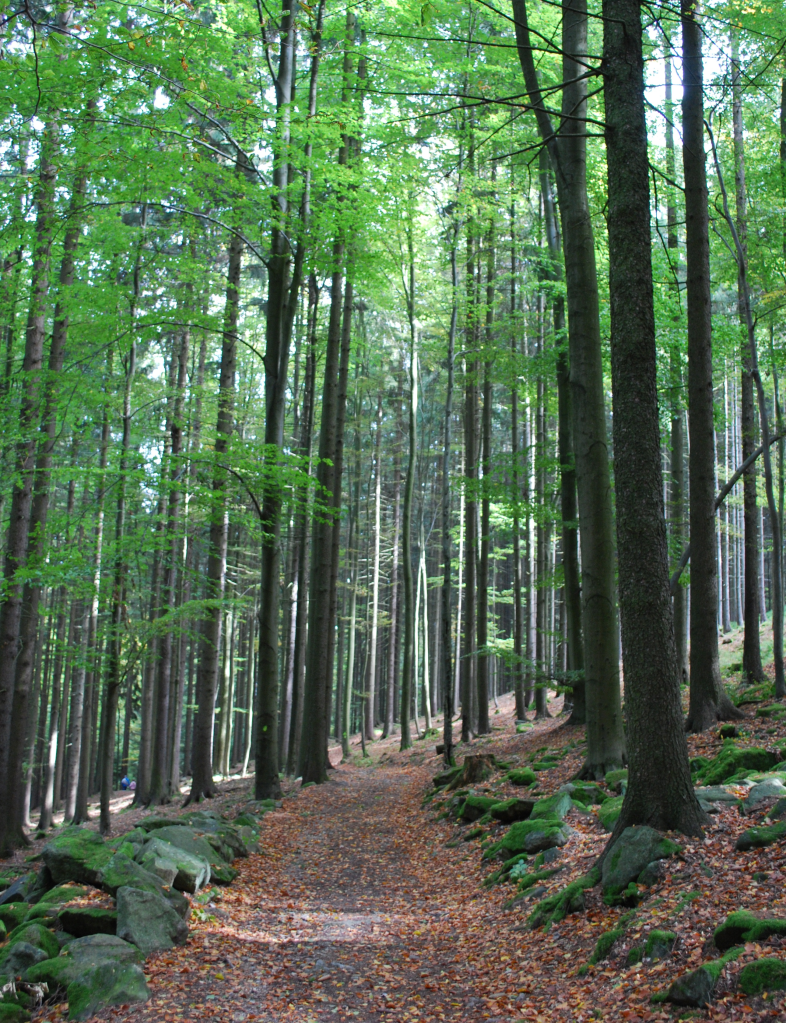
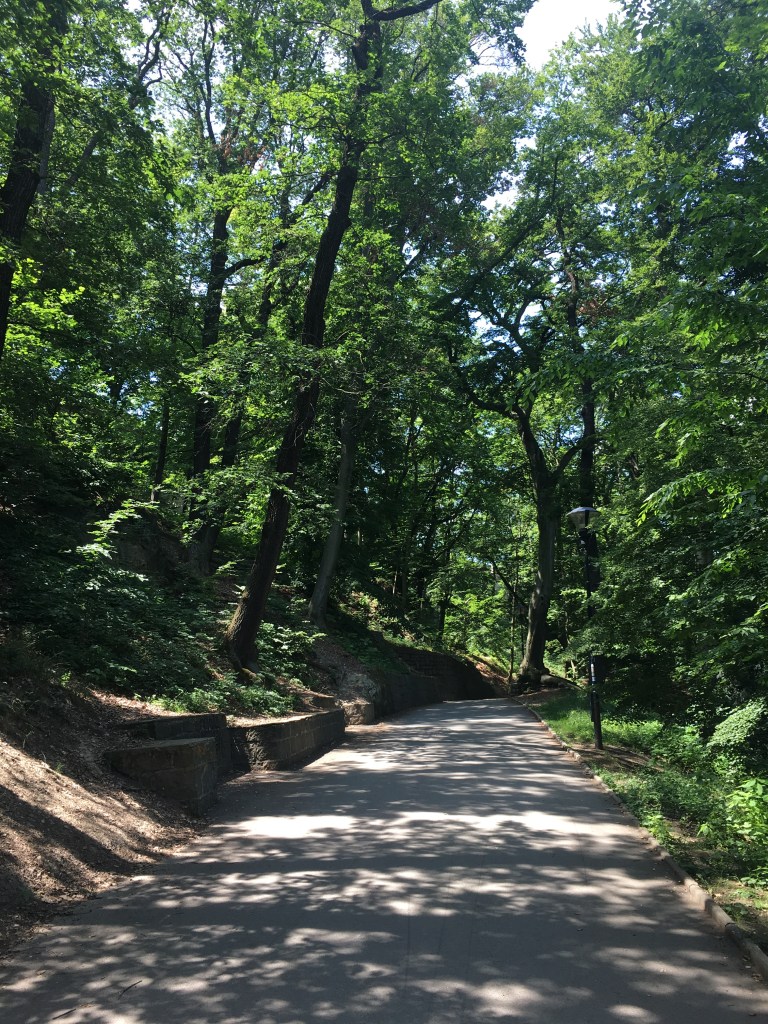
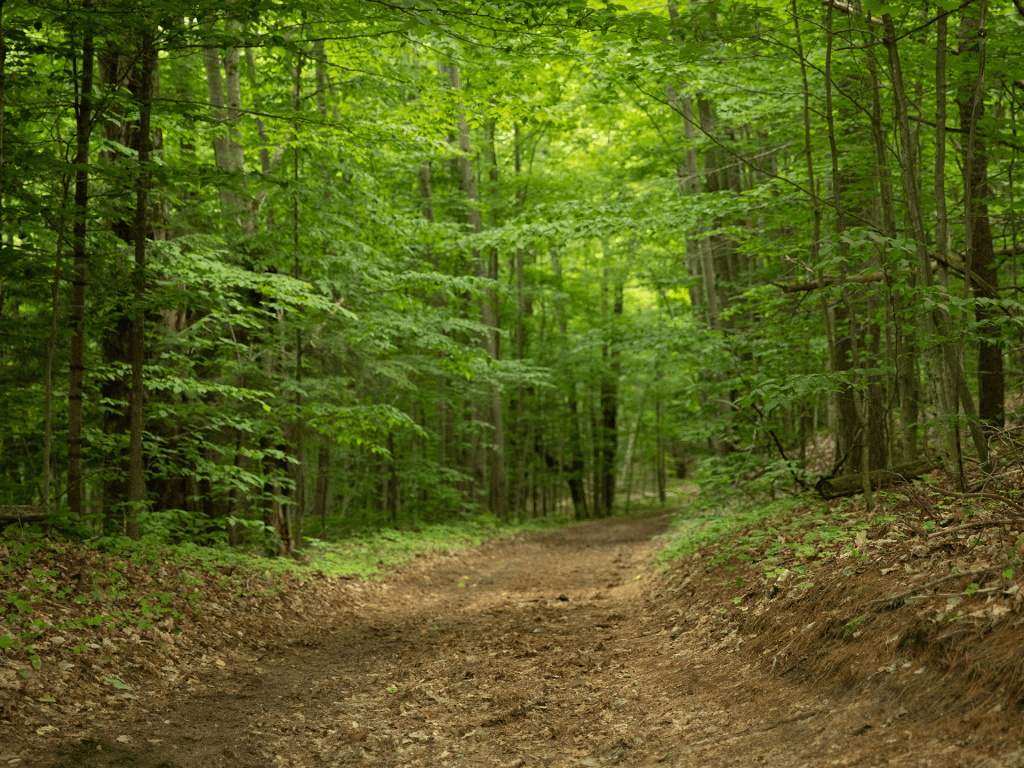
A forest path or a sandy shoreline are physical analogs to a musical line, a melody.
A line can weave a complex fabric with echoes of itself. My compositional fascination with musical canon began in the early 1970s with study (at the University of Michigan) of Johannes Ockeghem’s 15th-century polyphony, the 10 canons in Bach’s 18th-century The Musical Offering, and Webern’s 20th-century Symphonie Op.21. As a young professor in the 1980s teaching 16th-century counterpoint at what was then North Texas State University (now UNT), I used canon as a challenging contrapuntal writing assignment.
In 1984 I composed an improvisatory piece for my UNT New Music Performance Lab. EFFULGENCE (the word means “brilliant, shining radiance”) was in the style of Terry Riley’s famous In C, overlapping repetitive patterns that I call “multi-phase ostinato” music. EFFULGENCE employs a canon treatment of differing-length motives to create the constant overlapping of patterns out of phase with other lines. The result is like the rhythmic dance of a fountain.
EFFULGENCE
Clark 1994 (TC-49)
Light and shadow
In 1985, a wind ensemble piece, OF LIGHT AND SHADOW: Two Canonic Sketches, was a more formal canon construction. Other contrapuntal writing surrounds an extended canon in a 2021 string quartet, Dark Matter.
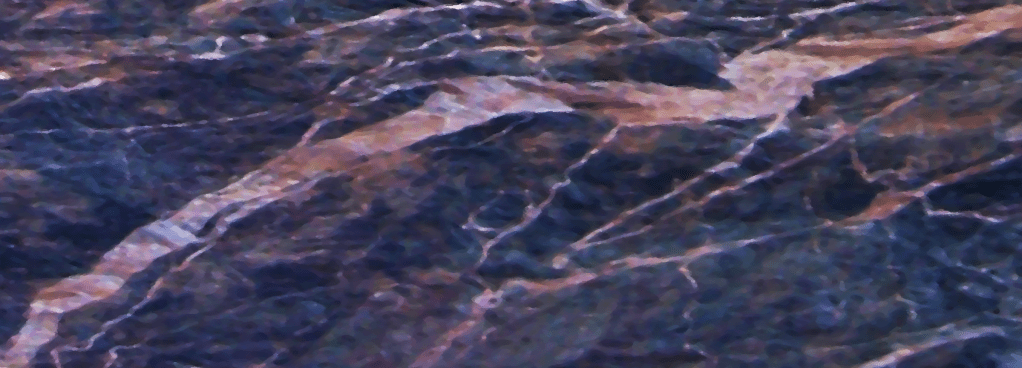
Now canon pervades much of my 21st-century writing, a challenging yet stimulating and gratifying approach to texture and continuity of material. Black Canyon (2024, TC-140) is included in both Canyon Sketches (TC-141) and in Book of Canons (2024, TC-148). The title comes from my photographic memories of the Black Canyon of the Gunnison River, named for the ever-present shadows the narrow canyon’s steep, sheer, tall rock walls cast on the river flowing far below. The sheer cliffs of the Black Canyon are metamorphic Precambrian gneiss and schist, streaked with thin, brighter-colored layers of pegmatite. These streaks sketched on the darker rock look like maps of ancient contrapuntal lines, suggesting a simple musical canon in four voices that builds the fabric of Black Canyon.
Cesty světla
Book of Canons collects 14 excerpts from these works, showing each canon’s subject, points and pitch levels of answer, and sounding each excerpt scored as a string trio. Forest Paths stitches them together in an ambling journey along a path through a metaphorical sound environment of sunlight, shadows, and leaf-fluttering breezes.
Forest Paths
Clark 2022 (TC-123)